C’est dans le cadre prestigieux de l’Hôtel Hilton de Yaoundé qu’a eu lieu, le 18 septembre 2025, la cérémonie officielle de lancement de la démarche de certification ISO 9001 version 2015 de la Direction Générale du Trésor, de la Coopération Financière et Monétaire (DGTCFM).
Cette initiative, qui place la DGTCFM dans une dynamique résolument tournée vers la modernisation et l’excellence, n’est pas un simple projet administratif. Elle marque une étape importante dans la transformation du service public financier au Cameroun, en le rapprochant des standards internationaux de qualité.
La cérémonie a rassemblé plusieurs institutions stratégiques : le MINFI, le MINPOSTEL, le MINEPAT, l’ANOR et, bien sûr, la DGTCFM elle-même, au cœur de cette démarche. Tous réunis autour d’un objectif commun : hisser notre administration publique au rang des organisations certifiées à l’échelle internationale.
Déroulé de la cérémonie : entre solennité et engagement
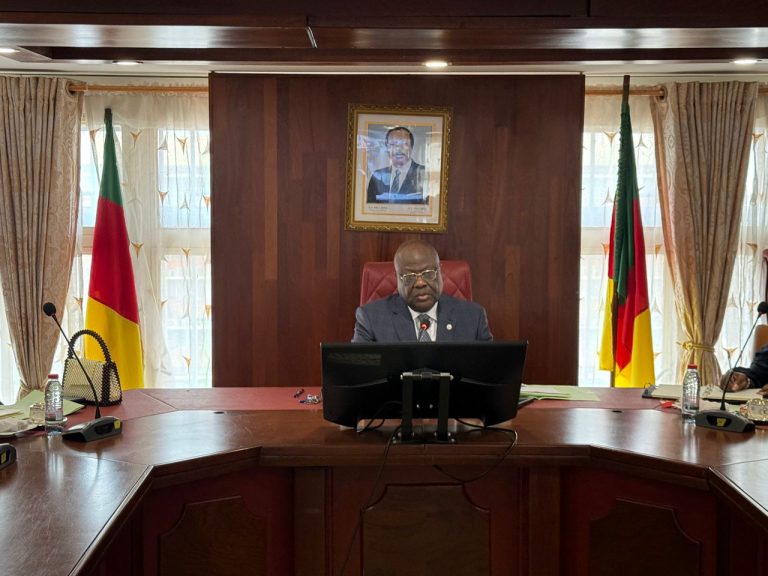
La rencontre a débuté par l’arrivée et l’installation des participants, des responsables du MINFI et des invités spéciaux. Le Ministre des Finances a ensuite fait son entrée, marquant officiellement le début de la cérémonie.
À 10h précises, l’hymne national a retenti dans la salle, rappelant l’importance de cet engagement qui dépasse le simple cadre technique pour s’inscrire dans une logique de patriotisme et de service à la Nation.

Puis, les interventions se sont succédé, chacune apportant un éclairage précieux sur le sens et la portée de cette démarche de certification.
La Directrice Générale de l’Agence des Normes et de la Qualité (ANOR) a ouvert la série de discours, suivie par le Directeur Affaires générales (DAG) de la DGTCFM qui a présenté le projet ISO 9001.
À l’issue de cette présentation, un moment fort a marqué la cérémonie : la signature de la convention entre le MINFI et l’ANOR, concrétisant officiellement le partenariat qui portera ce projet.
Enfin, le Ministre Délégué auprès du Ministre des Finances a clôturé la séquence des allocutions par un discours dense et inspirant, qui a replacé la démarche dans la vision globale du service public camerounais.
La cérémonie s’est achevée par une photo de famille et un cocktail convivial, symbole de l’engagement collectif et de la cohésion entre toutes les parties prenantes.


Les discours clés : comprendre les enjeux
1. L’ANOR : accompagner vers l’excellence
La première intervention a été celle de la Directrice Générale de l’Agence des Normes et de la Qualité (ANOR). Avant d’aborder la certification ISO 9001, elle a pris soin de présenter l’institution qu’elle dirige.
L’ANOR est en effet l’organisme national chargé de promouvoir les normes au Cameroun. Elle accompagne les entreprises et administrations dans leur mise en œuvre, afin d’améliorer la qualité des services et renforcer leur compétitivité.
Une fois ce cadre posé, la Directrice a expliqué pourquoi la norme ISO 9001 version 2015 représente aujourd’hui un jalon essentiel pour toute organisation qui veut améliorer durablement son fonctionnement. Publiée par l’Organisation Internationale de Normalisation (ISO), cette norme est le référentiel mondial en matière de management de la qualité.
Elle a détaillé les bénéfices attendus pour la DGTCFM :
- Optimiser ses processus internes grâce à une meilleure organisation.
- Renforcer la transparence et la crédibilité de son fonctionnement.
- Améliorer en continu la qualité du service rendu aux usagers.
- Réduire les délais de traitement des dossiers, au bénéfice des citoyens et des partenaires.
Enfin, elle a rappelé que seules quelques entités publiques camerounaises disposent déjà de cette certification, comme le FEICOM, le Port Autonome de Douala (PAD), la SOPECAM et la CNCC. L’entrée de la DGTCFM dans cette dynamique constitue donc une avancée notable, susceptible d’inspirer d’autres administrations.

2. Le DAG de la DGTCFM : un projet structurant sur 18 mois
Prenant la parole à son tour, le Directeur des affaires générales de la DGTCFM a précisé les contours opérationnels du projet.
Il a annoncé que la démarche s’étendra sur 18 mois, avec pour objectif principal de raffermir la confiance des partenaires vis-à-vis de la DGTCFM, une administration centrale dans le dispositif des finances publiques.
Pour atteindre cet objectif, plusieurs acteurs interviendront :
- Une équipe projet interne composée du personnel de la DGTCFM.
- L’ANOR, en qualité de maître d’œuvre.
- Un consultant privé, chargé d’accompagner la mise en place.
- Enfin, un organisme international de certification, qui évaluera la DGTCFM et décidera de l’attribution ou non du label ISO.
Le DAG a rappelé que la certification n’est pas une fin en soi : elle exige une amélioration continue. Tous les trois ans, l’organisme international réalisera une évaluation pour s’assurer du maintien du niveau de qualité atteint.
Parmi les points clés de la démarche, il a insisté sur :
- L’engagement de l’ensemble du personnel, à tous les niveaux.
- Le respect du planning et des échéances.
- La communication transparente entre toutes les parties prenantes.
Enfin, il a indiqué que plus d’une trentaine de formations seront organisées, pour doter les équipes de compétences solides et pérennes.

3. Le Ministre Délégué : replacer la certification dans une vision nationale
Le discours du Ministre Délégué auprès du Ministre des Finances a marqué l’apogée de la cérémonie.
Son intervention s’est articulée autour de deux grandes questions :
- Quels avantages concrets la certification ISO 9001 apporte-t-elle au service public financier ?
- Pourquoi avoir choisi la DGTCFM comme structure pilote ?
Pour répondre à la première, le Ministre a convoqué un extrait marquant du discours du Président Paul Biya du 31 décembre 2013, où ce dernier s’interrogeait :
« Serions-nous incapables de faire ce que d’autres pays comparables au nôtre ont fait ou sont en train de faire ? Alors, que nous manquait-il ? »
En reprenant cette interrogation, le Ministre a souligné que la qualité du service public constitue une des réponses majeures à ces défis.
La certification ISO 9001 permettra donc à la DGTCFM de :
- Renforcer son efficacité et sa crédibilité.
- Améliorer la satisfaction des usagers.
- Garantir des délais plus stricts dans le traitement des dépenses publiques.
- Se positionner comme un modèle pour les autres administrations.
Concernant la deuxième question, il a expliqué que le choix de la DGTCFM n’est pas anodin. En tant que structure centrale dans la mise en œuvre des politiques financières de l’État, elle joue un rôle stratégique dans le contrat social. Sa performance conditionne directement la stabilité économique, le financement des services publics (routes, écoles, hôpitaux) et la confiance des citoyens.
Il a conclu en exhortant l’ensemble du personnel à s’approprier la démarche, en donnant le meilleur de lui-même pour obtenir la certification et, surtout, la maintenir dans le temps.

Un nouveau chapitre pour le service public financier
La cérémonie de lancement de la démarche de certification ISO 9001 version 2015 de la DGTCFM restera sans doute comme une date clé dans l’histoire récente de cette direction générale.
Elle symbolise une volonté claire : celle de transformer le service public financier en un modèle d’efficacité, de transparence et de qualité, au service des citoyens comme des partenaires techniques et financiers.
Le chemin sera exigeant — 18 mois de travail intense, de formations, de diagnostics et de réorganisations. Mais il portera ses fruits : un service public plus performant, capable de rivaliser avec les meilleures pratiques internationales.
En s’engageant dans cette voie, la DGTCFM s’affirme comme une administration de référence, prête à inspirer d’autres institutions du MINFI et au-delà.