October 31, 2025 will remain a landmark date for Cameroonian finance. For the first time, Cameroon celebrated with great fanfare the World Savings Day, under a theme that is both ambitious and urgent:
“Savings, a lever for financial inclusion for sustainable development.”
Three days, ten regions, one ambition: boosting savings culture in Cameroon
Following the financial education campaigns organized in Yaoundé universities (October 29) and simultaneous mobilization across the country’s ten regions (October 30), the grand gathering took place in Yaoundé, in the Ongola Hall of the Centre Regional Council.
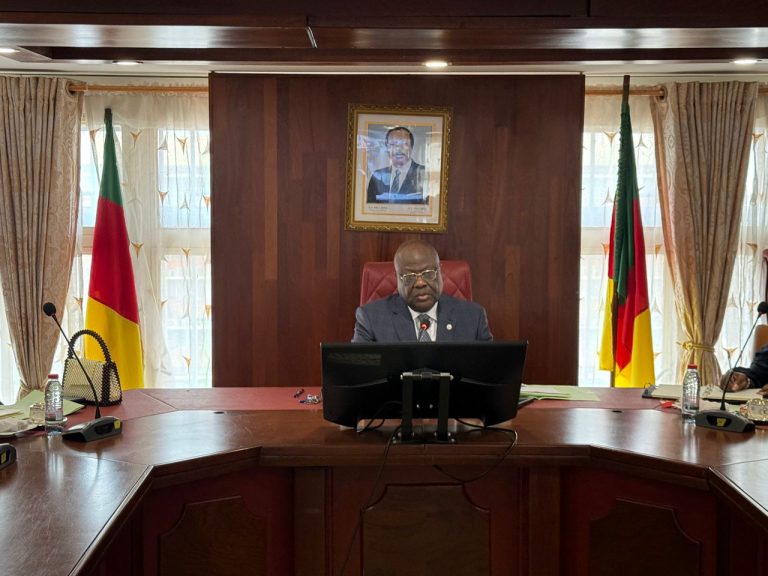
Under the high patronage of Mr. Louis Paul MOTAZE, Minister of Finance, and presided over by Mr. Yaouba Abdoulaye, Delegate Minister, the ceremony brought together public decision-makers, bankers, insurers, microfinance experts, students and private sector actors. All shared the same objective: making savings a true engine of development.
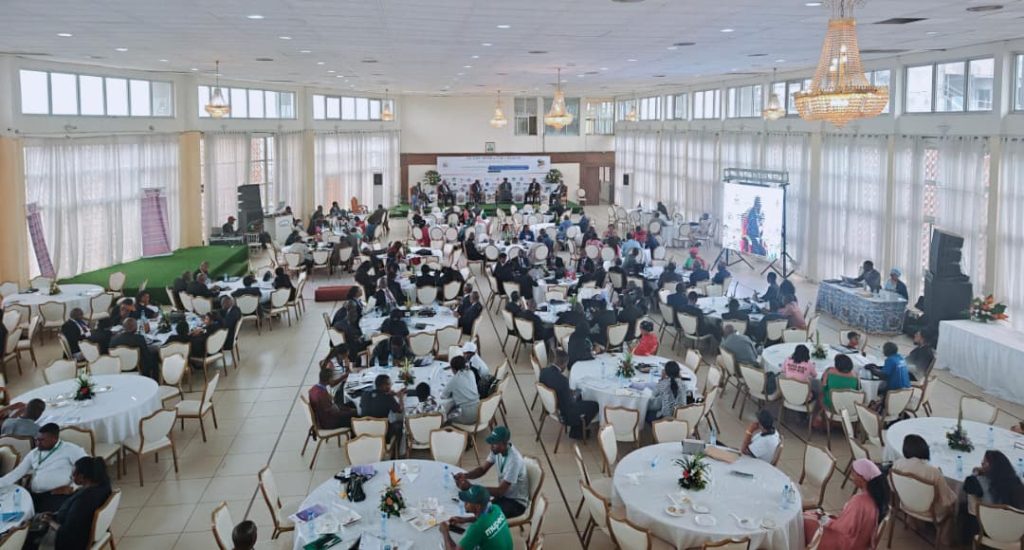
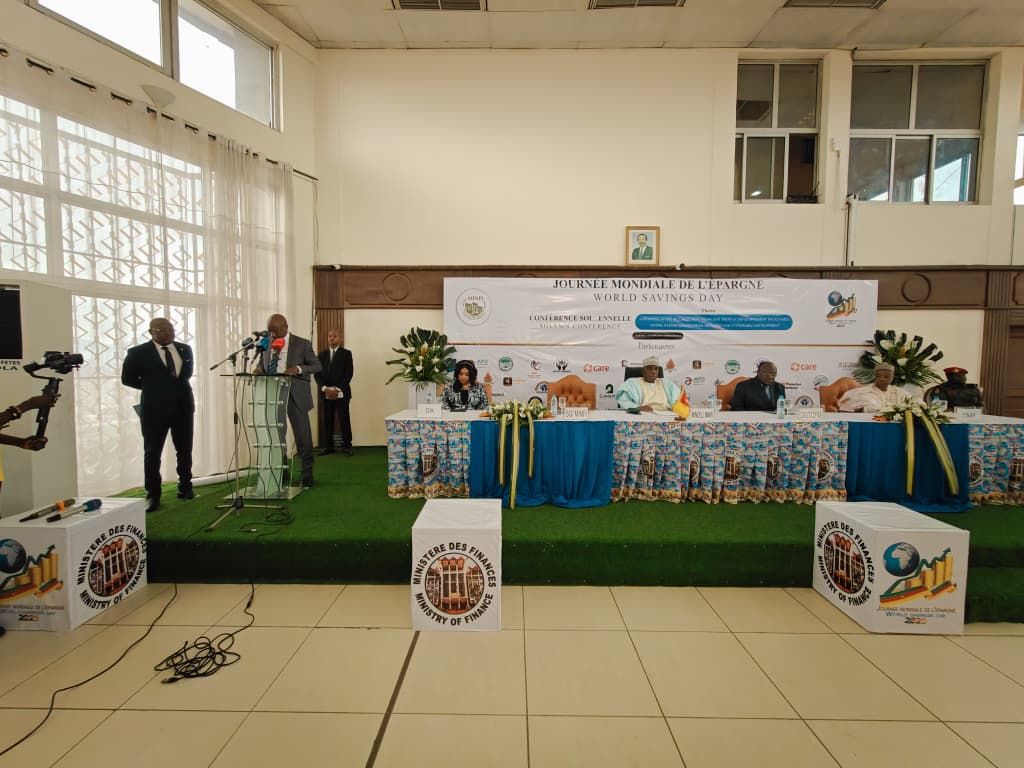
Act I: The Opening
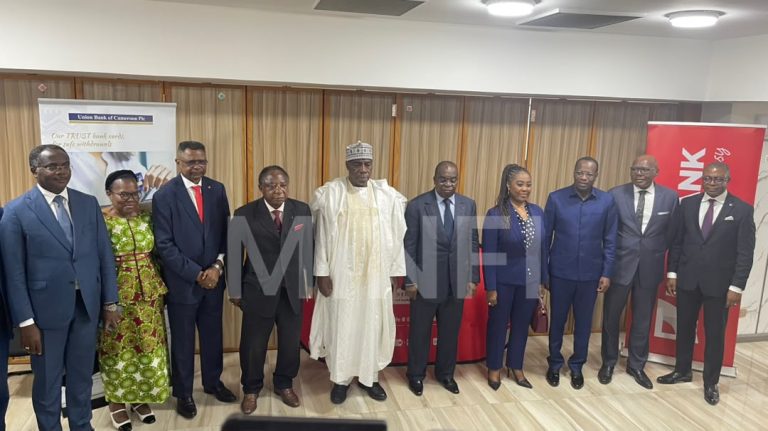
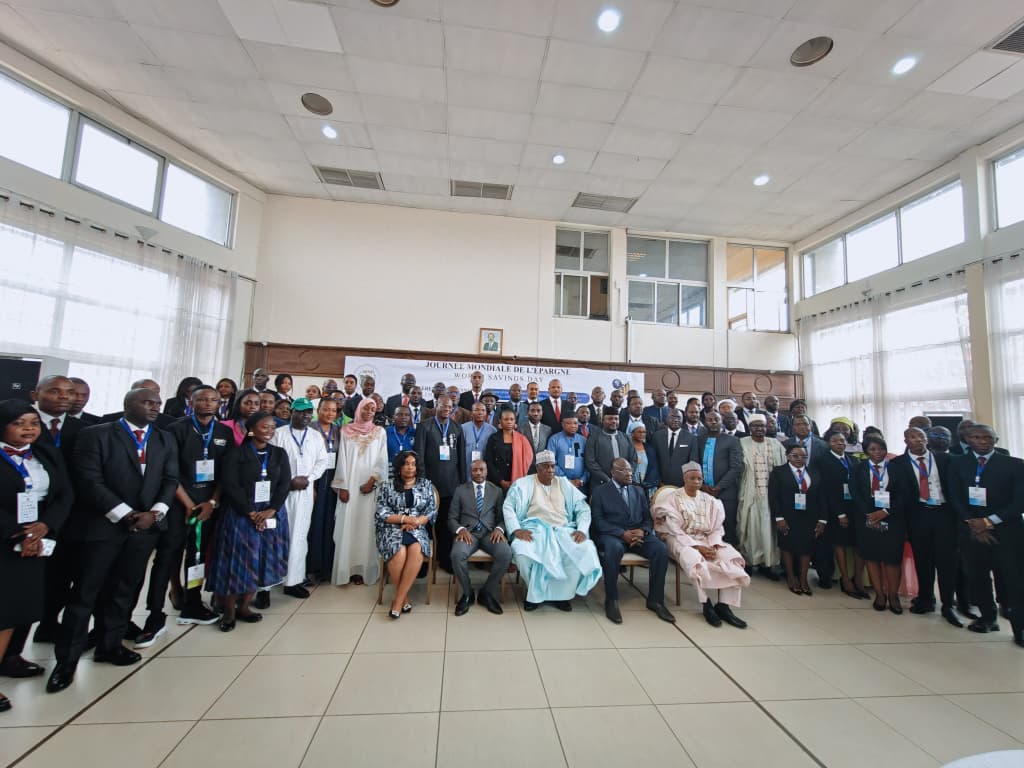
The national anthem resonates, followed by official speeches and the family photo. The atmosphere is both solemn and filled with hope.
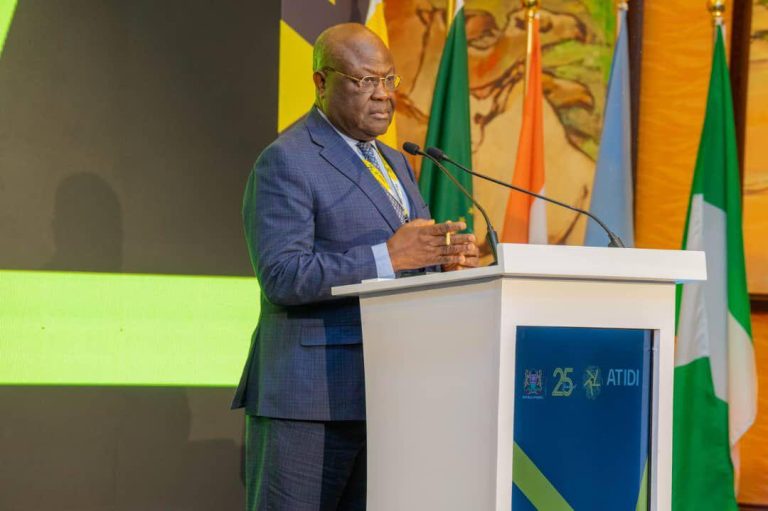
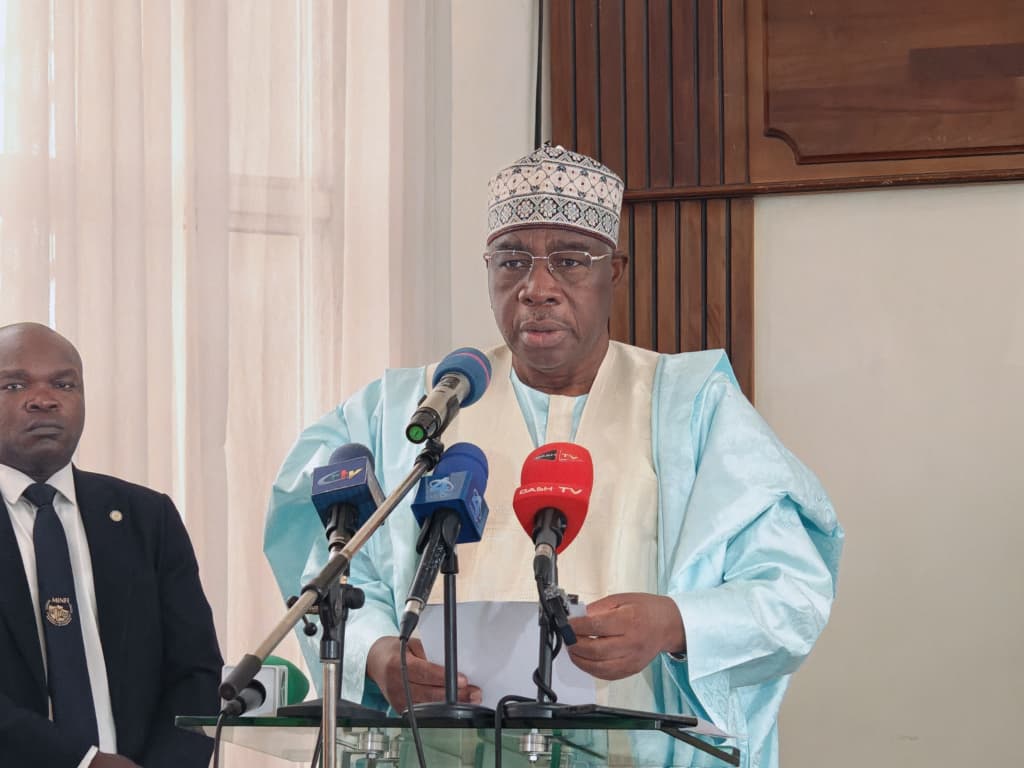
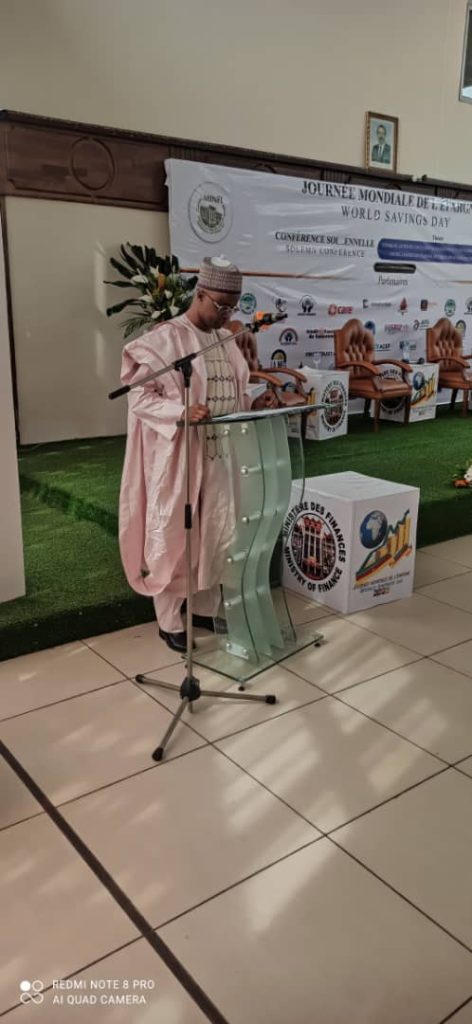
Mr. Gilbert Didier EDOA, Secretary General of MINFI and President of the Organizing Committee, opens the ceremony with his welcome address. Then Mr. Yaouba Abdoulaye, representing the Minister of Finance, takes the floor to deliver the inaugural speech.
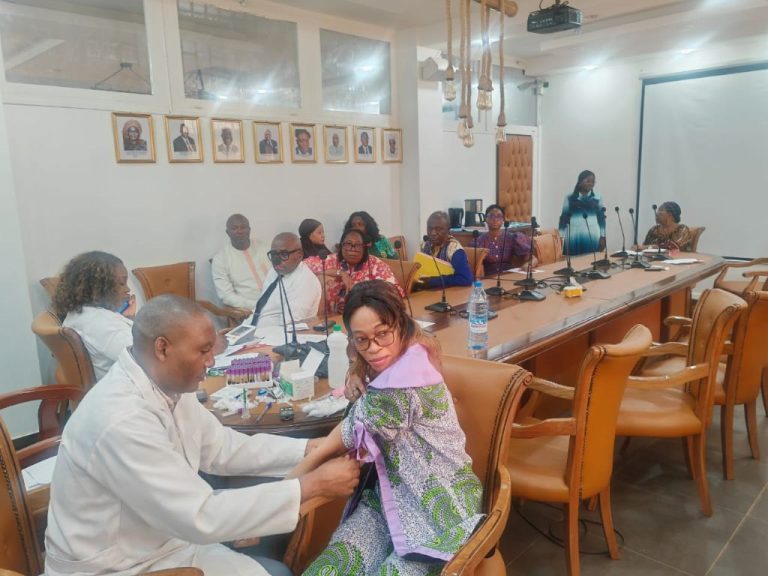
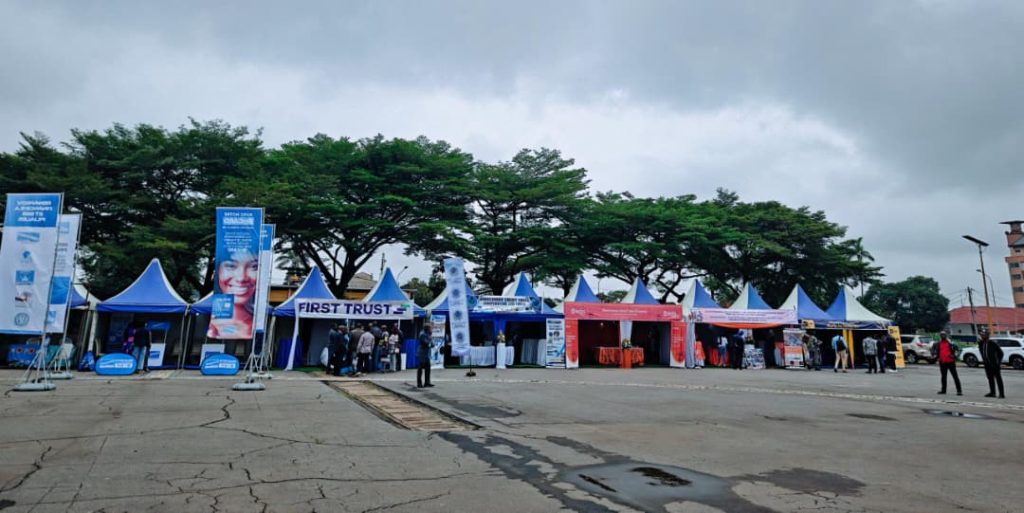
After the coffee break, participants visit the stands held by banks, insurers and microfinance institutions, who came to present their savings products.
Then, time for exchanges: three keynotes and three panels punctuate the day, alternating between diagnosis and proposals. A dynamic of analysis and action, theory and practice.
Session 1: The Painful Diagnosis
Keynote 1: Assessment and identification of savings determinants in Cameroon
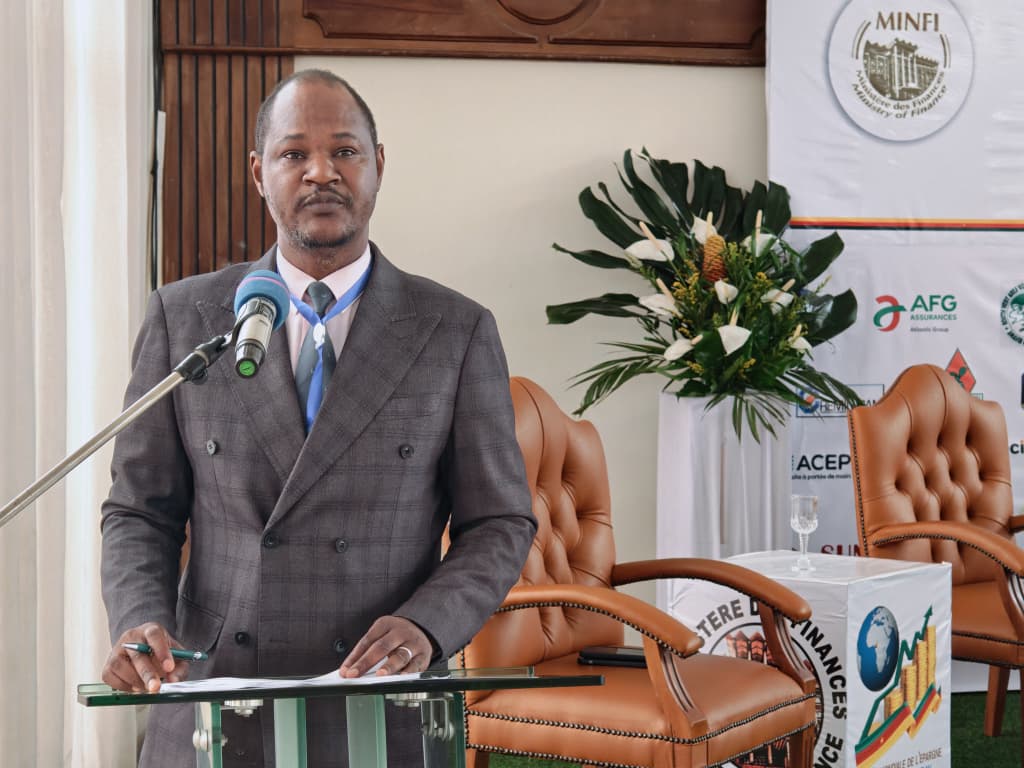
Mr. Bachirou Mohamadou takes the stand
In a clear presentation, Mr. Bachirou Mohamadou, from the Directorate of Financial and Monetary Cooperation, provides a straightforward assessment:
- ● Cameroon’s gross national savings rate oscillates between 14 and 16% of GDP, an insufficient level compared to the 17,000 billion FCFA investment needs estimated for the 2020-2030 period.
- ● Only 35 to 40% of adults are financially included.
- ● Informal savings, dominated by tontines, remain predominant, especially in rural areas. “Hoarding dominates, to the detriment of productive savings,” he emphasizes.
Money circulates, but does not sufficiently finance the economy. Bank interest rates are unattractive.
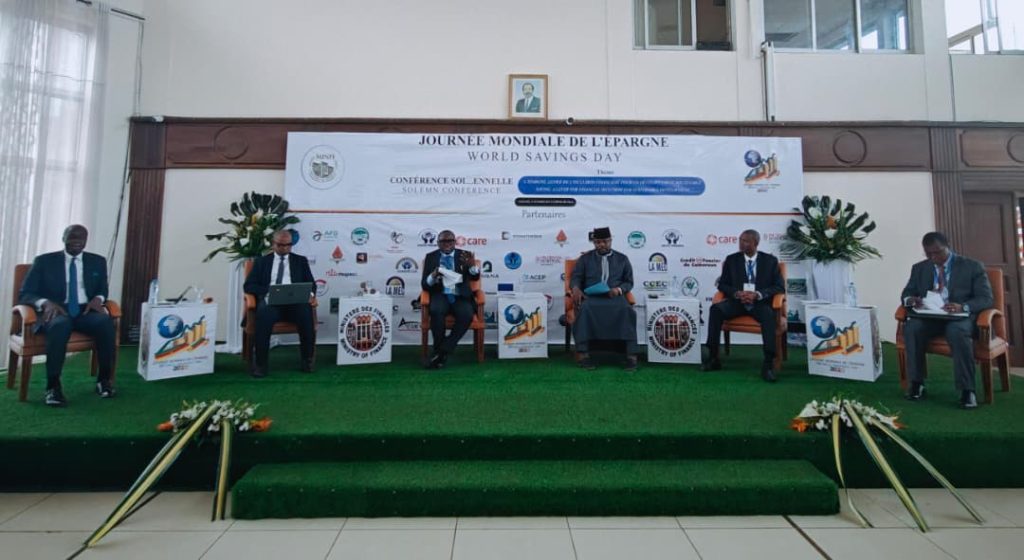
Panel 1: Savings, an essential vector for financing economic development
Under the moderation of Mr. Cho Emmanuel Asafor, 1st Deputy to the BEAC National Director, the panelists dive into the heart of the matter.
One figure catches attention: less than 10% of bank loans are granted to SMEs, yet they are major job providers. The national savings deficit pushes the country to rely on external debt.
Panel recommendations:
- Ensure refinancing of financial institutions from national savings.
- Maintain macroeconomic and monetary stability.
- Strengthen household confidence in savings policies.
- Mobilize diaspora funds.
- Improve the business climate.
- Direct savings towards productive investments.
Session 2: Bridging Two Worlds
Keynote 2: The role of financial inclusion in mobilizing informal savings
Mr. HAYATOU Sanda proposes bridges
After the economic diagnosis, Mr. HAYATOU Sanda, Head of Microfinance Division, addresses another essential question:
“How can we mobilize the 36% of Cameroonians excluded from the banking system?”
His answer: don’t oppose formal and informal, but create bridges between the two. He identifies the major obstacles:
- ● Low incomes,
- ● The absence of financial institutions in certain areas, administrative difficulties related to identity documents, and a lack of trust and financial education.
“Financial inclusion stimulates the mobilization of formal savings by expanding access to viable services. It makes savings more accessible, safer and more practical,” he states.
Panel 2: Digital financial services and alternative mechanisms for mobilizing savings
Under the moderation of Mr. KONTCHOU Blaise, brigade chief at DGTCFM, the panel explores opportunities offered by digital technology: mobile money and fintechs.
The panelists note that the development of mobile money has significantly contributed to financial inclusion, but banking services remain poorly adapted to the needs of populations, particularly vulnerable groups.
Panel recommendations:
- Develop digital solutions led by fintechs, particularly for the diaspora.
- Encourage banks to integrate mobile banking.
- Implement digital platforms to collect informal savings and diaspora savings.
- Adapt the regulatory framework to digital transformation.
- Create scoring tools to monitor consumers of digital financial products.
Session 3: The Unrecognized Levers of Transformation
Keynote 3: Life insurance as a vector for long-term savings
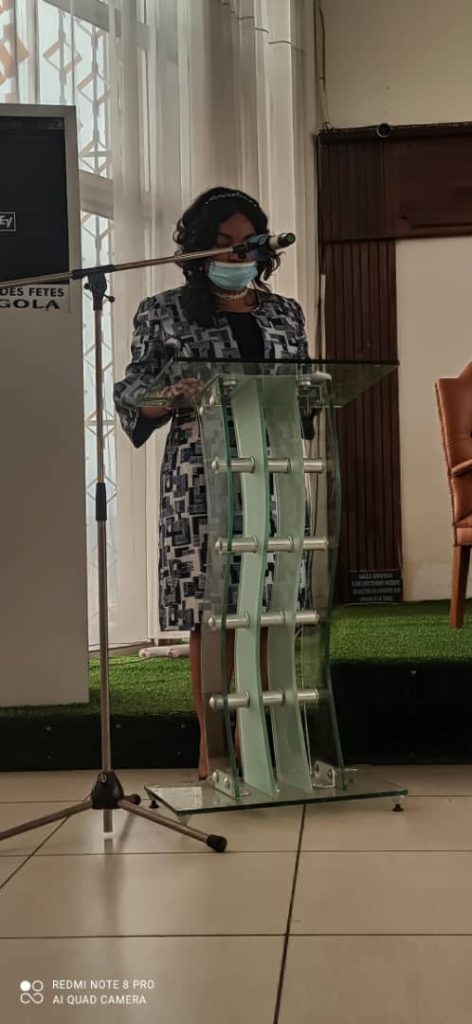
Mrs. Aboui demystifies life insurance
Mrs. Antoni Marie Jubilaire Aboui Epse Mendoua, Director of Insurance, presents life insurance as a misunderstood but remarkably effective savings tool.
In a classic savings system, it would take 230 years to obtain what life insurance offers!
“She illustrates: with 13,000 FCFA contributed per year, beneficiaries of death insurance can receive up to 3 million FCFA. The figures are equally telling:
- ● 456.2 billion FCFA collected between 2018 and 2023,
- ● 268.9 billion FCFA returned to households.
We always think we have time, but we are not masters of time. Start early, save well now.
“
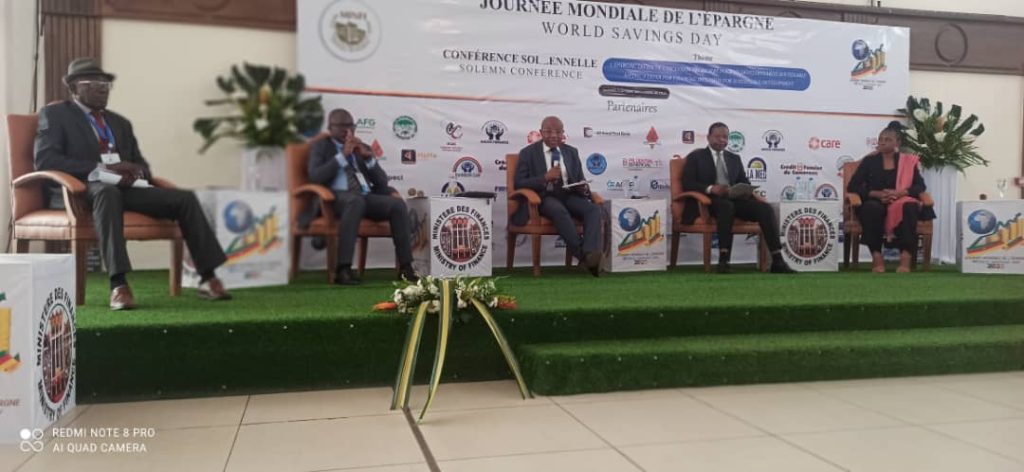
Panel 3: The impact of financial education on savers’ behavior
Led by Mr. Victor Ndzana Nduga, the last panel highlights a central finding: the low level of financial education hinders productive savings.
Family pressure, culture of immediate consumption, lack of knowledge about financial products… The obstacles are numerous.
The panel’s three recommendations:
- Promote savings mobilization through financial education.
- Integrate financial education into school curricula, starting from primary school.
- Develop programs adapted to low-income populations to help them better plan their savings.
The panelists also praised the national campaign conducted in universities and the ten regions as a model of concrete action.
The Synthesis
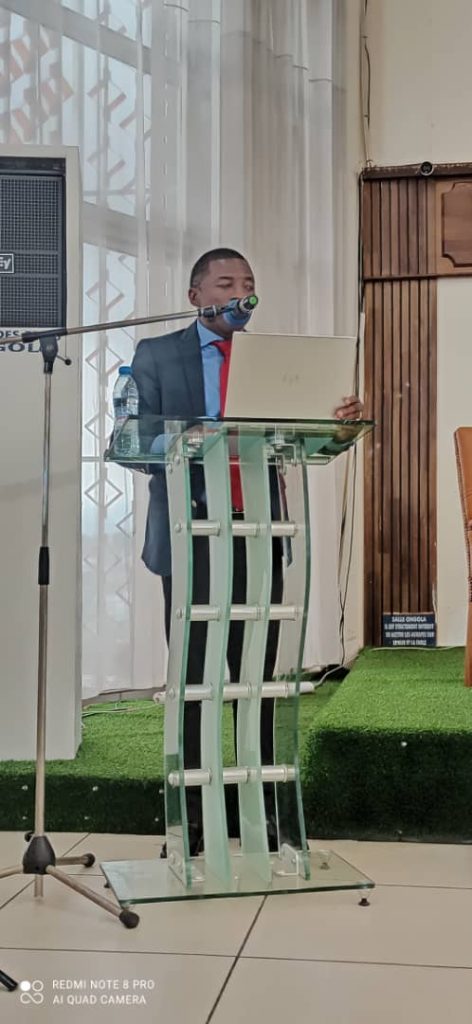
In closing, Mr. Zambo-Zambo Francis, Deputy Director of Strategies at the Directorate of Insurance, presents a synthesis of the work.
Several general recommendations were formulated, including:
- ● Offer tax incentives on small investments;
- ● Develop the secondary market (BVMAC) to boost bonds;
- ● Clean up the microfinance sector and simplify account opening procedures;
- ● Create high-performing long-term savings products (retirement, life insurance);
- ● Fight corruption to restore savers’ confidence;
- ● Implement deposit insurance accessible to all;
- ● Better understand and integrate informal savings into the formal circuit.
These recommendations now constitute a true roadmap for Cameroonian finance actors.
Closing Speech: The Work Has Just Begun
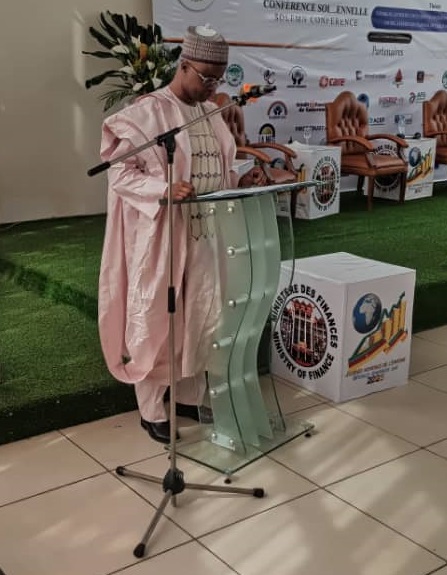
To close this day, Mr. HAYATOU Sanda, representing the Director General of Treasury, Financial and Monetary Cooperation, recalls with gravity and optimism:
World Savings Day 2025 comes to an end, but the work has just begun.
“He highlights the main lessons learned:
- ● The importance of savings adapted to inflation,
- ● The need to strengthen financial education, especially among young people,
- ● And the crucial role of savings in household stability and economic financing.
Savings is not an end in itself, but a formidable tool to realize our projects, protect our loved ones and invest in the sustainable development of our country.
“Before concluding with a call to action:
Together, let us develop and preserve the culture of savings. Let us make financial inclusion a national priority.
“
After the Closing: Warm Exchanges and Promises for the Future
The day ended in a friendly atmosphere. Over a fraternal meal, participants, panelists, organizers and partners continued the exchanges, sharing their impressions and commitments for the future.
The master of ceremonies closed the meeting on a note of hope:
See you next year, end of October, for the second edition of World Savings Day.
“A day ends, but a new national dynamic has just been born: that of a Cameroon that believes in the power of savings to build its future.