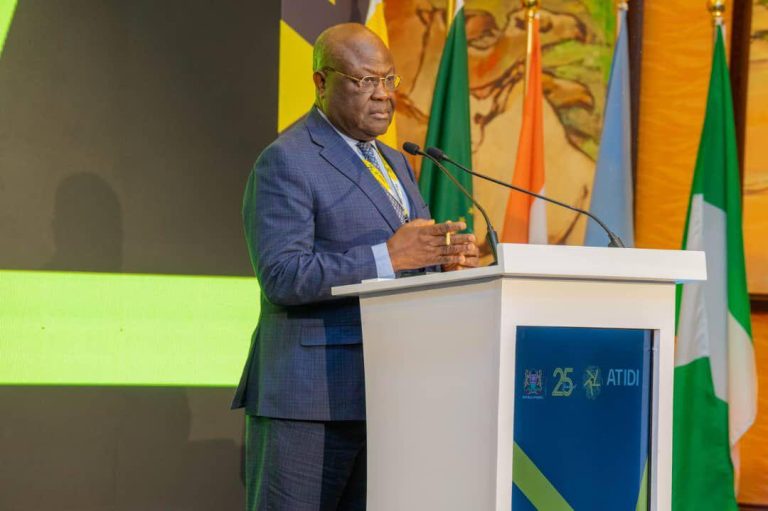
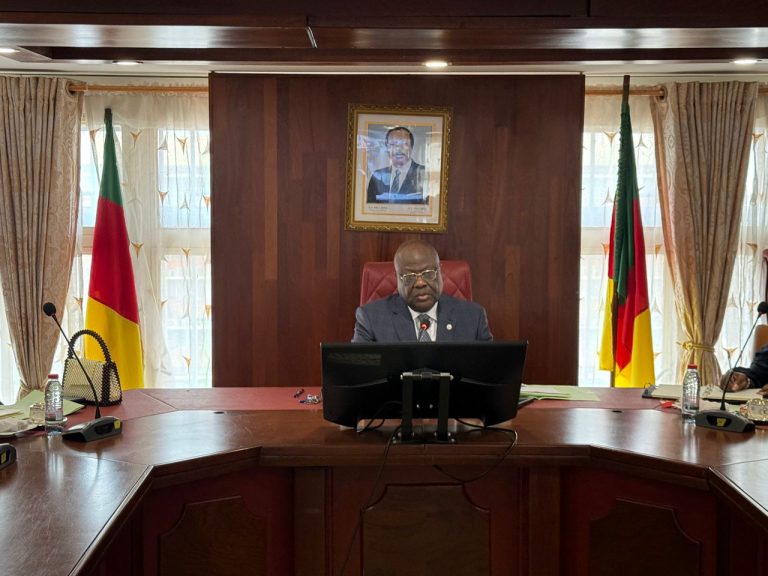
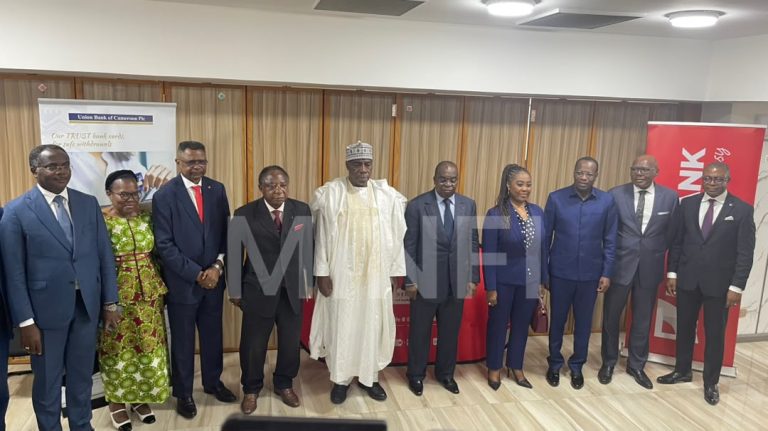
During the 2025 Annual Meeting of the International Monetary Fund (IMF) and the World Bank, held from October 13 to 18, 2025 in Washington DC, Finance Minister Louis Paul Motaze outlined the main lines of Cameroon’s vision for the continuation of its cooperation with international financial partners.

An Encouraging Assessment of Completed Programs
In his address, Minister Motaze first presented a positive assessment of the two economic and financial programs recently concluded with the International Monetary Fund (IMF).
We evaluated the two programs that we completed. Everyone noted that things went well. We had 41 structural benchmarks that were practically all achieved.
“These programs enabled Cameroon to mobilize considerable budget support.
These two programs allowed us to benefit from what we call IMF budget support and other development partners such as the World Bank, the African Development Bank, France… We collected more than 2,600 billion CFA francs.
“A Commendable but Improvable Budget Performance
One of the major successes highlighted by the Minister concerns the drastic reduction of the budget deficit.
We have a budget deficit of 1.5% and everyone applauded because we started from 7% in 2017 at the beginning of the first program. This is very good!
“This performance demonstrates the progressive cleanup of Cameroonian public finances.
However, the Minister raised a critical question:
But does this allow us to invest more to create jobs, especially for young people, and solve the infrastructure problems we have? So there is a whole reflection that needs to be carried out, even in the case where there would be another program, to see how there could be an inflection on certain things and ensure that we tackle more frontally the problems that were posed by the populations.
“This question reflects the challenge facing Cameroon: maintaining budget rigor while meeting pressing needs for investment and job creation.
Reforms to Continue and Strengthen
Minister Louis Paul Motaze emphasized the need to continue the reforms undertaken.
There are reforms that have been carried out that need to be continued. Certain reforms will need to be strengthened and others internalized in terms of management and evaluation of public enterprises and the systematization of meetings between the public sector and the private sector, among others.
“These reforms particularly concern the management of public enterprises, governance in key sectors of the economy, improvement of the business climate, and strengthening of public finance management. While notable progress has been recorded, some projects remain to be finalized.
A New Program in Perspective
The Minister revealed that discussions are underway with the IMF for a possible new program, but from a different perspective.
We agreed that they will wait for our position. We said yes to a program, but what type of program? We are coming out of an electoral campaign and like any democratic government, we listened to what people were telling us whether they voted for us or not, because we work for the whole country. It is therefore clear that a program should take into account the fact that much more investment is needed.
“This position marks a significant evolution in the Cameroonian government’s approach. It recognizes that, without budget support, “everyone can understand that there is a hole in the budget and this is a problem that should be addressed”, while asserting the need to adapt program conditions to the country’s development imperatives.
Conclusion
Minister Louis Paul Motaze’s statements at this annual meeting reflect Cameroon’s will to maintain its partnership with international financial institutions while negotiating conditions more favorable to investment and growth. Given these benefits in modernizing our finances, this partnership remains essential to continue the reforms undertaken and strengthen the country’s economic resilience.